

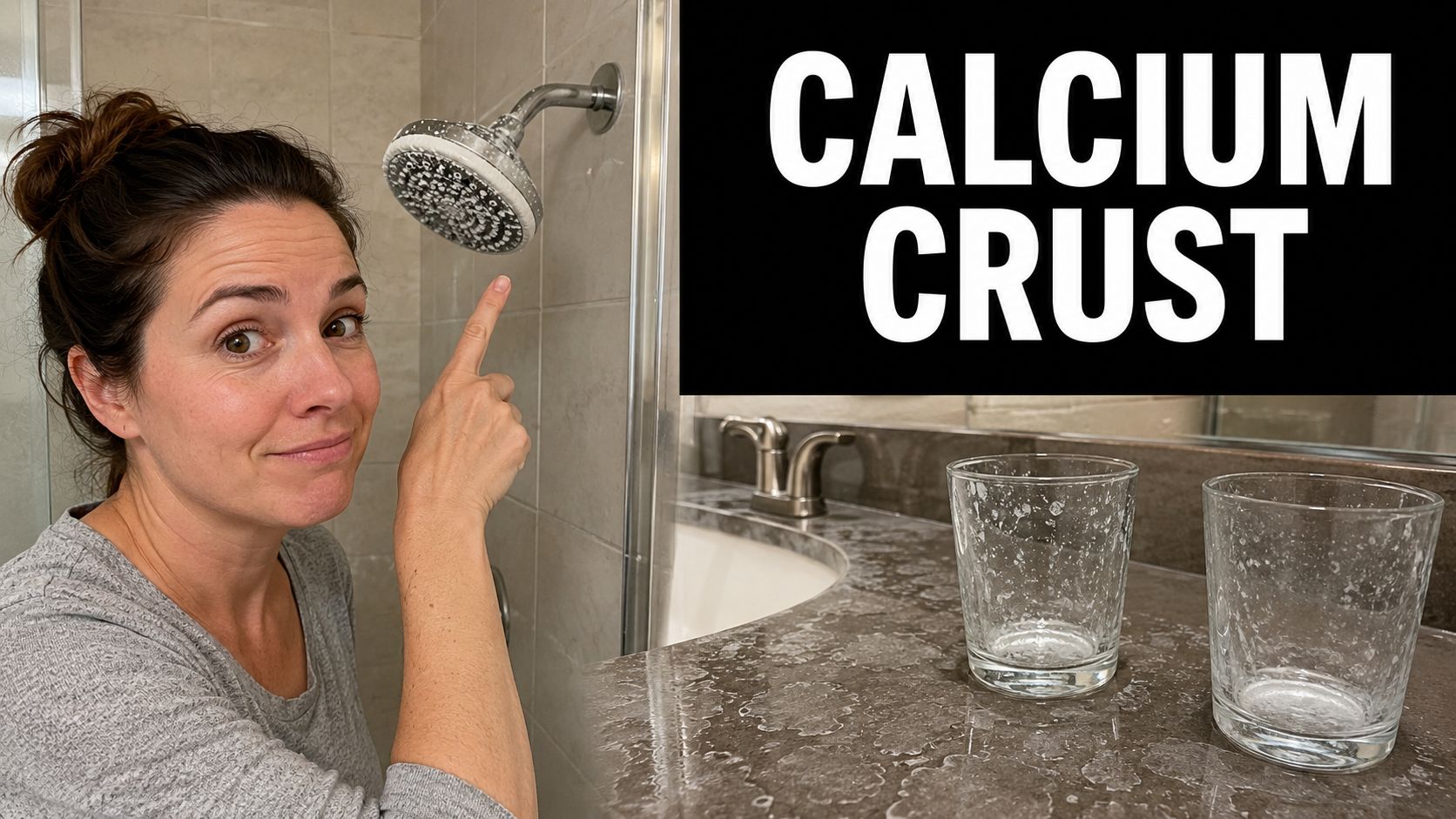
You notice it first on the glass shower door, then on the faucet, then on your skin after a shower that somehow still feels slick and dry at the same time. In a lot of Central Florida homes, that chalky white crust isn't a mystery, it's calcium scale, and once it starts showing up, it usually means the water has been carrying hardness through the plumbing for a while. The frustrating part is that people often buy the wrong fix first, because removing calcium from the water supply and cleaning calcium off fixtures are two different jobs.
Table of Contents
- Why Calcium Builds Up and Why It Matters
- Testing Your Water Before Choosing a Treatment
- Comparing the Main Calcium Removal Methods
- Sizing and Selecting the Right System
- Why Central Florida Wells Change the Equation
- Installation Basics and Ongoing Maintenance
- When to Hire a Professional
Why Calcium Builds Up and Why It Matters
A homeowner in Sebring called about cloudy glassware, white crust on the showerhead, and a film that kept coming back no matter how often she scrubbed. That's the usual hard-water story. Calcium and magnesium are the main minerals behind hardness, and when they're high enough, they leave behind limescale on fixtures, inside water heaters, and through the plumbing system.
Public-health guidance treats 200 mg/L as CaCO3, or 12 grains per gallon, as the practical line where water is classified as hard and can start causing plumbing and laundry problems, according to Illinois Department of Public Health guidance on common substances in drinking water (Illinois IDPH). That threshold matters because the issue isn't just taste. Hard water pushes scale into heaters, fixtures, and appliances, which means more maintenance, lower efficiency, and a shorter service life.
Practical rule: if you're seeing white buildup on glass and metal, the problem has already moved past cosmetics.
The hidden cost is that scale doesn't stop where you can see it. It coats the inside of piping and heating equipment, so the water heater has to work harder and appliances lose performance over time. Laundry starts feeling stiff, soap doesn't rinse the same way, and bath water leaves residue instead of a clean finish.
That's why guessing at a softener or filter usually wastes money. Calcium problems vary a lot by source water, and the same review found U.S. and Canadian drinking water calcium levels from 1 to 135 mg/L, with an average of 21.8 mg/L in spring waters and 208 mg/L in mineral waters, a spread of more than 100-fold depending on the source water (peer-reviewed review). Test first, then pick the system that matches the actual load.
Testing Your Water Before Choosing a Treatment
A strip test can tell you whether hardness is present, but it won't tell you enough to size equipment correctly. For a homeowner, that distinction matters. A cheap strip is fine for a quick check, a hard-water kit is better for DIY confirmation, and a professional lab analysis is what shows the full picture, including calcium, magnesium, iron, pH, and bacteria.
In a private well, hardness alone never tells the whole story. If the water also has iron, sulfur odor, or sediment, a treatment plan that only targets calcium can leave the bigger problems untouched. That's where a real sample matters more than a guess from the sink.
Reading hardness numbers without overthinking them
Hardness is often reported in grains per gallon and mg/L as CaCO3, which are just different ways of expressing the same general load. A lower reading usually means scale forms more slowly, while a higher reading means treatment needs more capacity and more attention. What matters in daily life is whether the number is low enough to leave fixtures alone or high enough to demand a softener or point-of-use treatment.
If you're trying to understand the practical difference in your own house, this water hardness level guide helps translate the number into action. A reading that seems modest on paper can still be enough to foul glassware, load up a water heater, and leave soap residue on skin.
Useful habit: don't buy equipment until you know what the test says about hardness and the other contaminants in the well.
The best test for Central Florida wells is the one that also checks the things that commonly travel with hardness, especially iron and bacteria. That's because the calcium problem usually shows up inside a larger water-quality profile, not as a standalone issue. Once you have the numbers, the treatment decision gets much simpler.
Comparing the Main Calcium Removal Methods
For residential water, the best method depends on where you want the calcium removed. Whole-home hardness control calls for a different solution than clean drinking water at the kitchen sink, and neither one is the same as scrubbing existing scale off a shower door.
| Method | Best For | Calcium Removal | Maintenance | Typical Cost |
|---|---|---|---|---|
| Ion exchange softener | Whole-home hardness control | Removes calcium and magnesium from the water supply | Salt refill, resin care, periodic inspection | Varies by system size and installation |
| Reverse osmosis | Drinking water at the tap | Removes 95% to 98% of calcium according to treatment guidance (Illinois IDPH) | Filter and membrane changes | Varies by system size and installation |
| Polyphosphate sequestration | Situations where scaling needs to be reduced, not eliminated | Does not truly remove calcium, it helps keep it from depositing | Feeder maintenance and cartridge or media service | Varies by feeder design |
| Chemical precipitation | Higher-load systems and treatment setups | Removes dissolved calcium by forming solids that are separated afterward | Dosing control, settling, filtration, sludge handling | Varies by application |
What actually works in a house
The most technically solid whole-home option is ion exchange softening. Water runs through a resin bed, and calcium ions are exchanged for sodium or potassium ions, then the resin regenerates with backwashing, brining, and rinsing. That's why softeners are the standard for the full water supply, not just a single faucet. Vermont's public-health guidance notes a fixed tradeoff of 0.46 mg of sodium added for every 1 mg of hardness removed (Illinois IDPH reference page).
Reverse osmosis is the better fit when the goal is drinking water only. It sits at the tap, not at the main line, and it can strip calcium down much more aggressively than a softener at point of use. That makes it a strong choice for cooking, coffee, and drinking water in homes where the rest of the plumbing doesn't need full soft-water treatment.
Polyphosphate is different. It can help with scale control, but it doesn't remove calcium from the water. That makes it situational, not a true replacement for softening.
Chemical precipitation belongs in higher-load or engineered treatment settings. It works when dose control, settling, and filtration are managed carefully, and one engineering reference shows lime demand has to be adjusted by 5.6 g/m³ as CaO or 7.4 g/m³ as Ca(OH)₂ for each degree of P-alkalinity above or below the theoretical rule (YASA engineering reference). That's not a guessing game. It's a lab-based process.
If the goal is to stop scale through the whole house, softening wins. If the goal is cleaner drinking water at one sink, reverse osmosis makes more sense.
Sizing and Selecting the Right System
A softener that's too small will regenerate constantly and wear itself out early. A unit that's too large can waste salt and sit in a condition that's less efficient than it should be. The right size depends on household demand, measured hardness, and how often you want the system to regenerate.
Matching the equipment to the load
For softeners, the sizing logic starts with household usage and the hardness reading from the test. The useful planning formula is simple enough to work on paper, people × gallons per day × hardness in gpg × days between regenerations. That gives you a rough grain-capacity target before you start comparing actual models.
Reverse osmosis sizing works differently. Flow rate matters because the system has to supply water fast enough for real use, storage tank size affects how much clean water is ready when you open the tap, and the wastewater ratio affects ongoing operating cost. Brand name matters less than whether the unit can keep up with your kitchen habits.
Common sizing mistakes to avoid
- Undersizing the softener: it regenerates too often, uses more salt, and can let hardness breakthrough start showing up at fixtures.
- Oversizing the softener: the brine tank can sit too long between cycles, which wastes salt and can let maintenance problems develop.
- Ignoring co-contaminants: iron and sediment can foul equipment, so a softener that looks right on paper can underperform in real water.
A professional sizing visit is worth it when the house has unusual demand patterns, multiple bathrooms, or iron above 0.3 ppm in the raw water. Those houses rarely behave like a simple textbook case. If you're comparing equipment for a drinking-water setup, use the system that matches the actual load instead of the marketing label, and for a whole-home softener, start with the hardness result and the family's actual water use.
Why Central Florida Wells Change the Equation
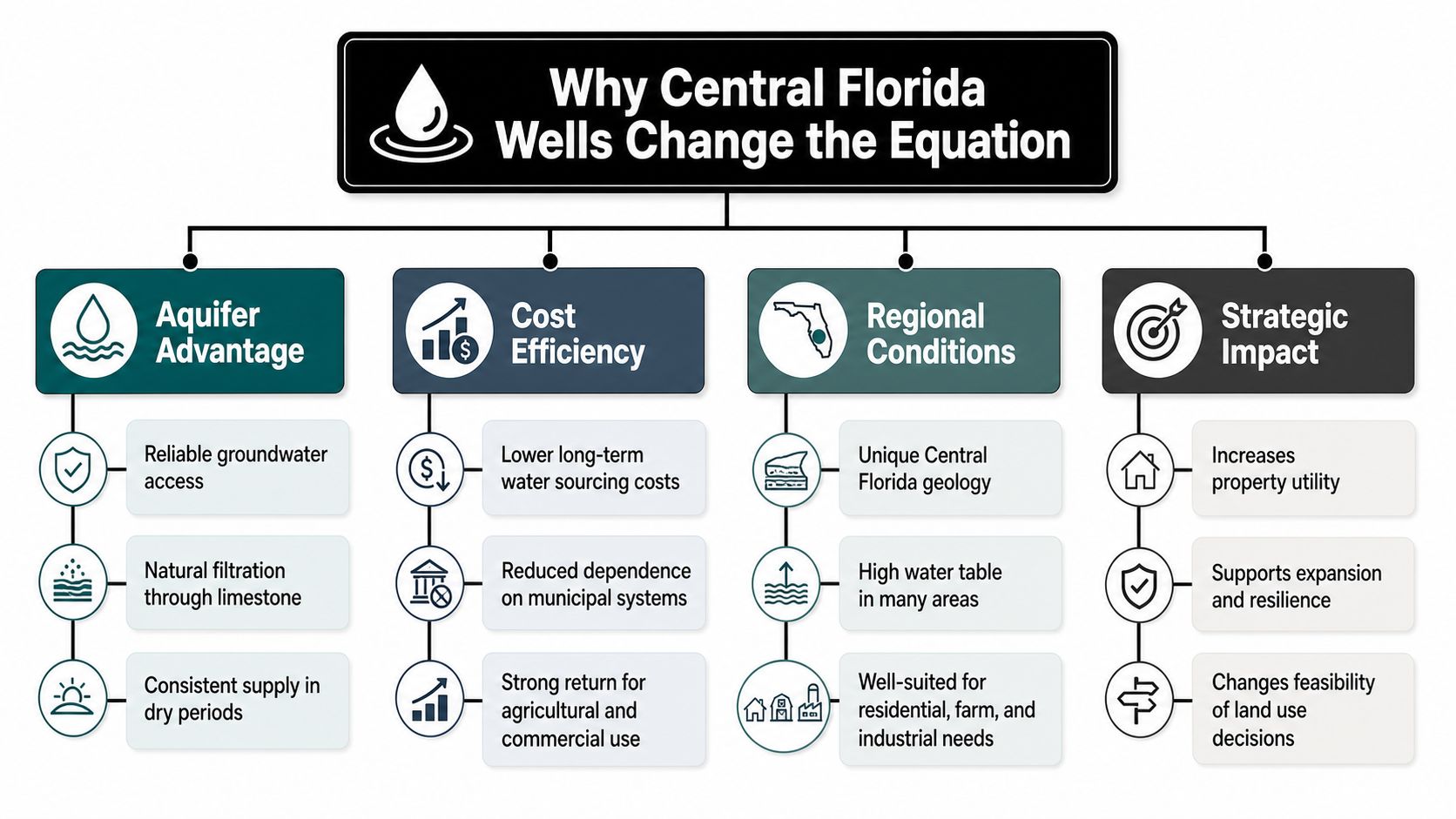
A Highlands County well can bring up more than calcium. I've seen water that stains sinks brown with iron, smells like sulfur when the hot water runs, and carries enough sediment to leave grit in the faucet aerator. In those homes, calcium is only one part of the job, and a single product rarely solves the whole problem.
Why one-size-fits-all fails on wells
A softener handles hardness, but it won't fix sulfur odor by itself. If iron is present, it can foul the resin bed and shorten the useful life of the softener. Sediment can load up the system before the water even reaches the resin, and if bacteria are part of the well profile, the treatment plan still isn't complete.
That's why layered treatment works better in this region. A sediment filter can protect downstream equipment. An iron removal or oxidation step can handle staining and fouling. A softener can then remove calcium and magnesium through the rest of the plumbing. For drinking water at the kitchen tap, a reverse osmosis unit can add another layer of control where it matters most.
The practical point is simple. Homes on private wells around Sebring, Avon Park, Lake Wales, Winter Haven, and Frostproof often need more than a single cartridge or a generic “hard water” fix. The chemistry changes from one well to the next, and treatment has to follow the water, not the other way around.
For wells where drinking water is the immediate goal, this reverse osmosis for well water guide helps explain why point-of-use treatment often belongs in the plan even when the whole-home system is doing the heavy lifting.
Real-world rule: if the water smells, stains, and scales, don't shop for one product until you know which problem it's actually solving.
Installation Basics and Ongoing Maintenance
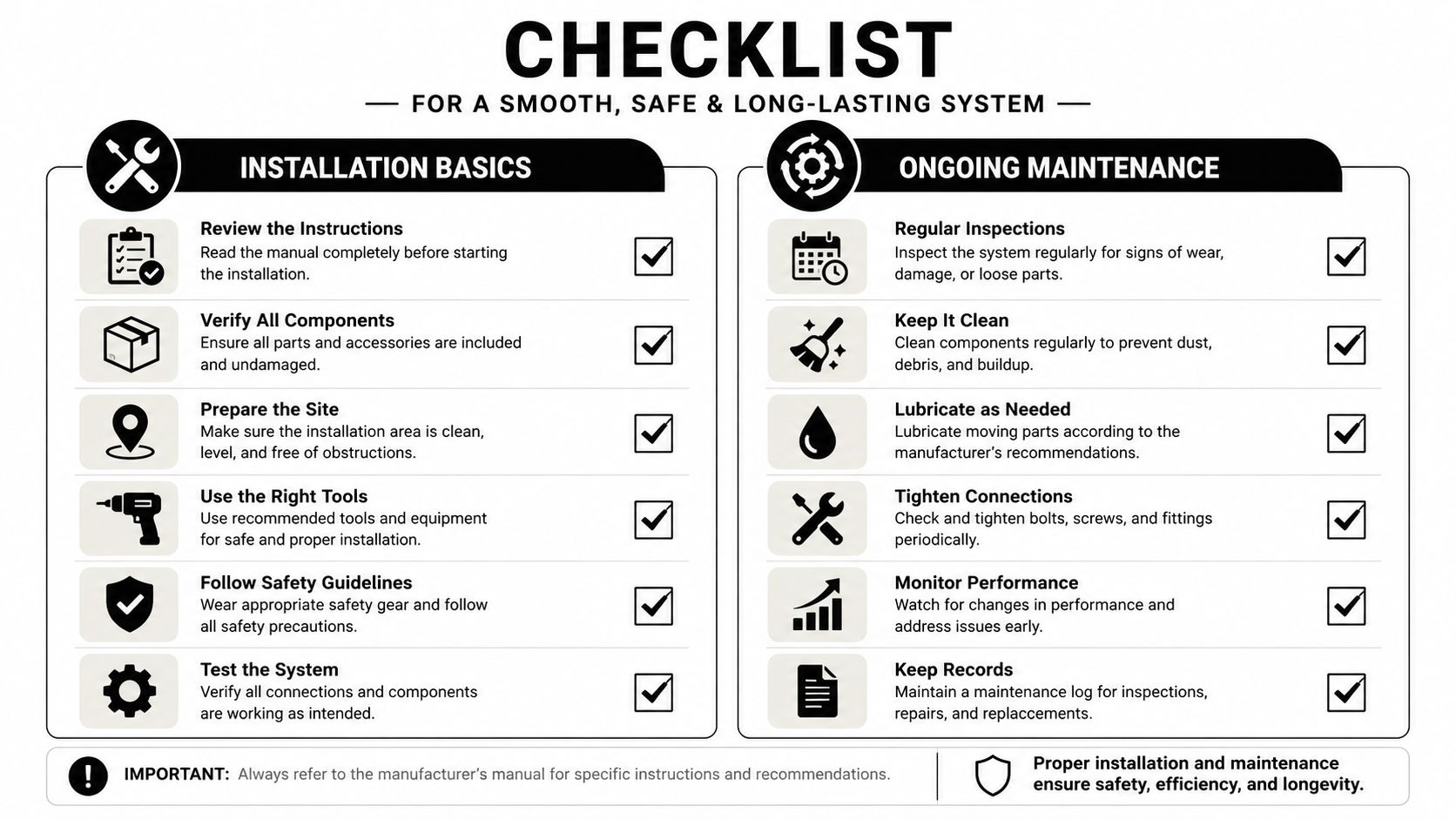
A kitchen-sink reverse osmosis install is usually a straightforward under-sink job. A whole-home softener is different. It needs a drain line, a brine tank, a bypass valve, and a plumbing layout that can handle the full flow of the house without creating pressure issues.
What routine service really looks like
- Salt refills: usually every 4 to 8 weeks, depending on water use and hardness load.
- Resin cleaner: every 6 to 12 months when conditions justify it.
- RO filters and membrane: replace annually or per manufacturer specifications.
- Whole-home inspection: once a year is a smart baseline for checking valves, bypasses, and regeneration performance.
That maintenance isn't busywork. It keeps the resin from fouling, helps the brine draw properly, and catches performance drops before the system starts letting calcium back into the house. With RO, the same logic applies. If the filters age out, flow and water quality both slide.
A salt bridge in the brine tank often means the softener isn't drawing salt the way it should. If water pressure drops, look for a clogged filter, fouled media, or a valve issue. When spotting returns on glassware, the first suspect is usually breakthrough from a softener that needs service or a setting that no longer matches the actual hardness.
The water itself gives the warning signs early. A sudden shift in drinking-water taste can mean the RO membrane or post-filter is due, and if that change comes with weaker flow, it's time to inspect the whole setup rather than keep waiting.
When to Hire a Professional
A homeowner can handle a basic faucet-side RO or replace filters if the system is already correctly sized. The line gets crossed when the water profile is complicated enough that the equipment choice depends on more than hardness. That's common in private wells, and it's where I tell people to stop guessing.
If hardness keeps showing up after a softener is already installed, the issue may be resin fouling, bad settings, or a misread water test. If a bacterial test comes back positive, treatment has to address that before anyone treats the home as solved. If the well water also carries iron, sulfur, or sediment, the system needs to be designed as a package, not as a single add-on.
Rental properties deserve the same caution. Owners carry the responsibility if equipment underperforms or plumbing gets damaged, so an untested shortcut can turn into an expensive callback. Older plumbing adds another reason to slow down, because corrosion, old valves, and unknown modifications can affect how a new system should be tied in.
A professional water test from Florida Water Management includes on-site sampling and a recommendation built around the actual water profile, not a generic one-product answer. In a region like Central Florida, that matters because the right setup may combine sediment filtration, iron handling, softening, and point-of-use reverse osmosis instead of forcing one device to do everything. Florida Water Management also offers a free water test, which makes it easier to get the numbers before spending on the wrong equipment.
Bottom line: test first, match the treatment to the actual water, size it for the real load, and maintain it before scale turns into damage.
If you're dealing with chalky buildup, hard-water spotting, or a well that seems to bring in calcium with iron or sulfur, get a free water test from Florida Water Management. The right answer starts with the sample, not the sales pitch, and a proper test can save you from buying equipment that doesn't fit your water.